Utkarsh Singhal

I work at Tesla Optimus on reinforcement learning and world models for robots. Before this, I finished my PhD at Berkeley AI Research Lab, where I was advised by Prof. Stella Yu.

Utkarsh Singhal

Research

I'm interested in building adaptable and reliable embodied AI. My research interests span test-time optimization, world models, and robotics.
Test-Time Canonicalization by Foundation Models for Robust Perception

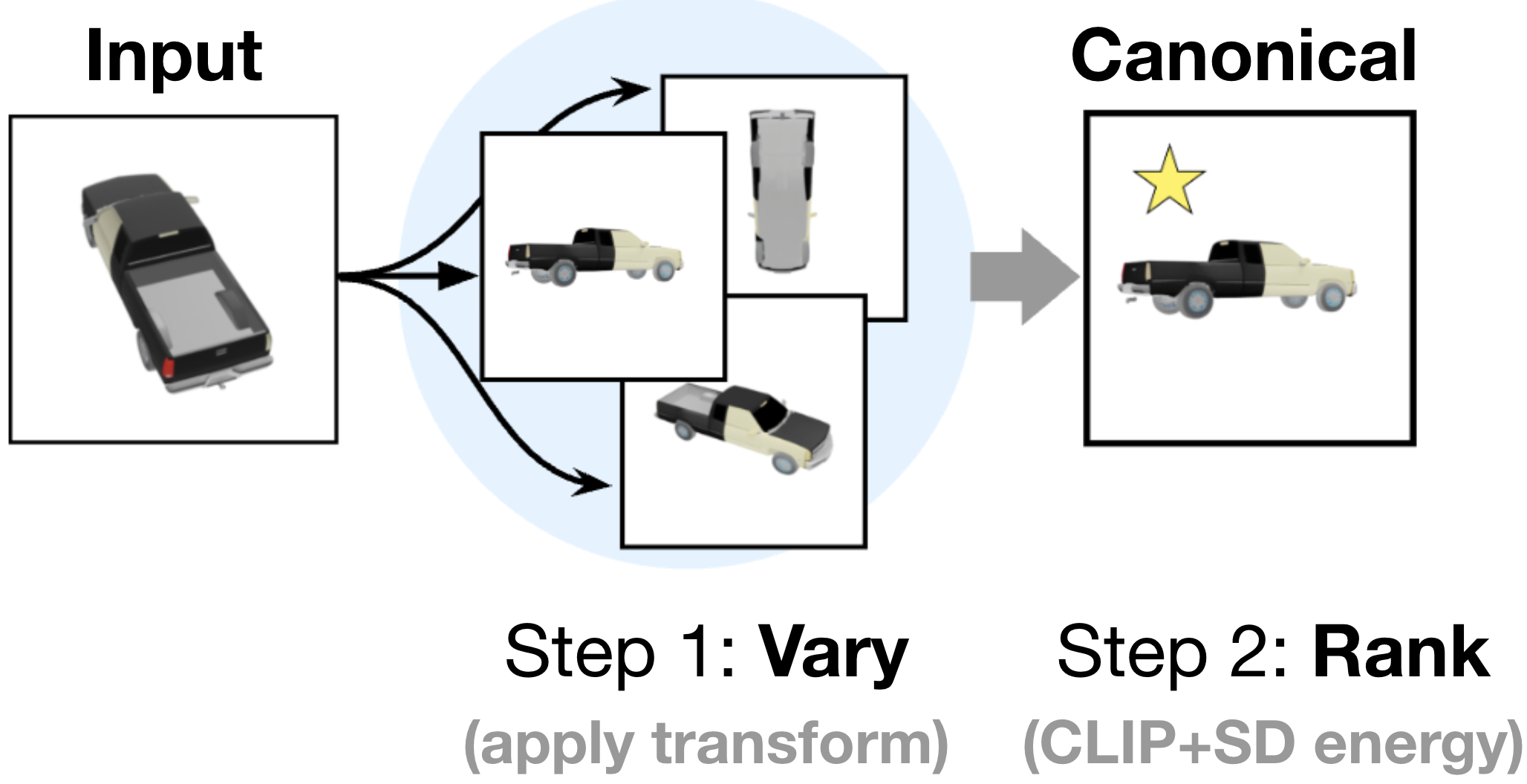
Utkarsh Singhal*, Ryan Feng*, Stella Yu, Atul Prakash

ICML, 2025

We use test-time search to make models approximately invariant to many different transformations without any special training or architectures.

How to guess a gradient

Utkarsh Singhal, Brian Cheung, Kartik Chandra, Jonathan Ragan-Kelley, Joshua Tenenbaum, Tomaso Poggio, Stella Yu

Optimization for Machine Learning Workshop (OPT2023), NeurIPS, 2023

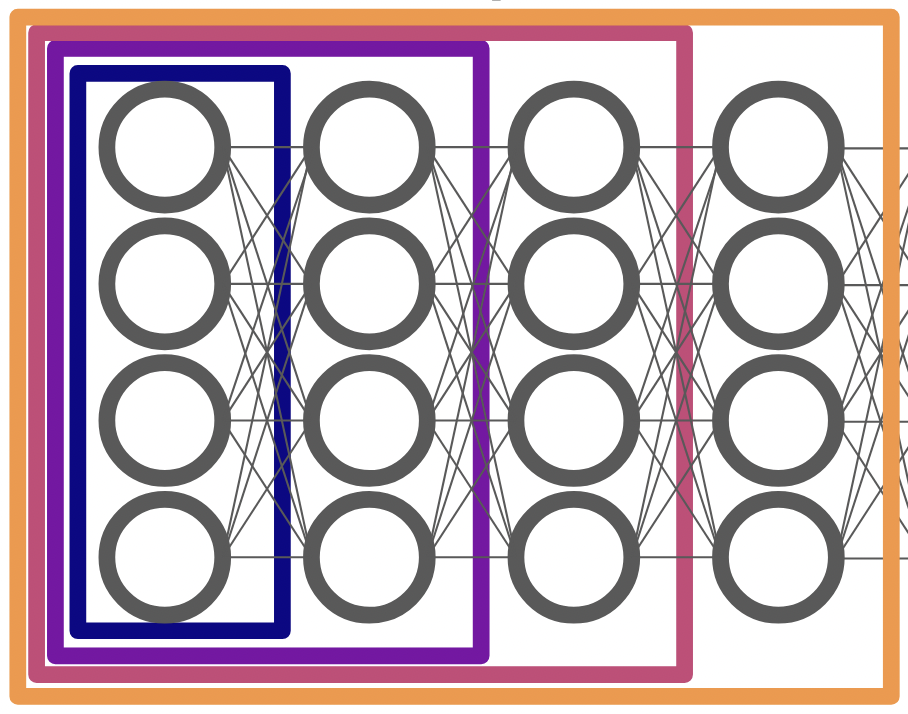
We use architecture and activations to guess a neural network’s gradients without computing the loss or using backprop.
Learning to Transform for Generalizable Instance-wise Invariance

Utkarsh Singhal, Carlos Esteves, Ameesh Makadia, Stella Yu

International Conference on Computer Vision (ICCV), 2023

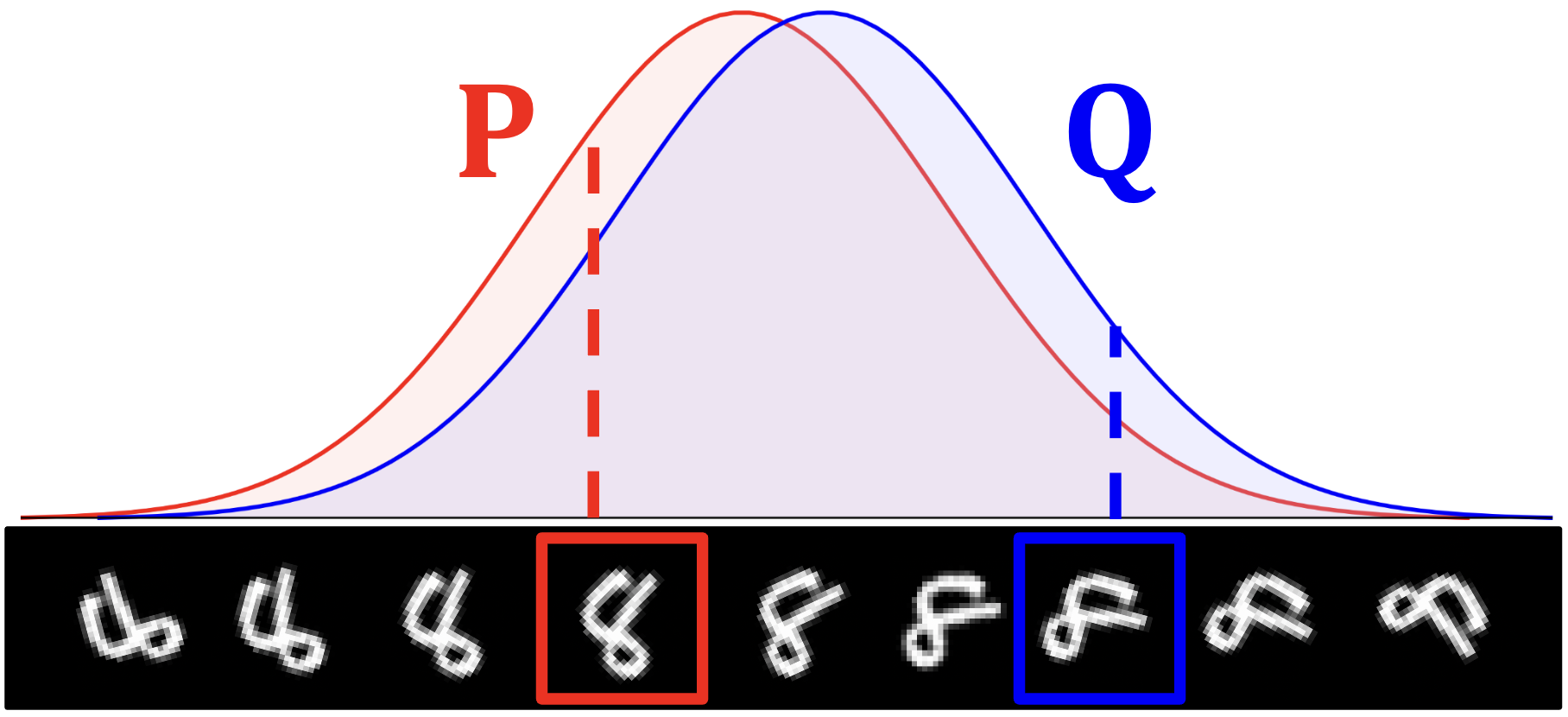
We predict a distribution of transformations for any input image. This can be used for data augmentation, aligning instances, and adapting to out-of-distribution poses.
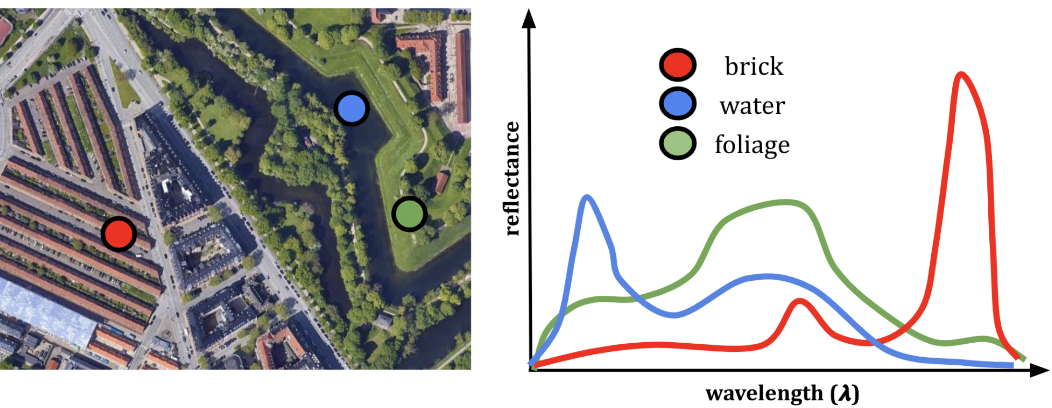
Multi-Spectral Image Classification with Ultra-Lean Complex-Valued Models

Utkarsh Singhal, Stella X Yu, Zackery Steck, Scott Kangas, Aaron A Reite

Oral, Humanitarian Aid and Disaster Workshop (HADR), NeurIPS, 2022

We apply our CDS (co-domain symmetry) work on a small and imbalanced dataset in the MSI classification setting.
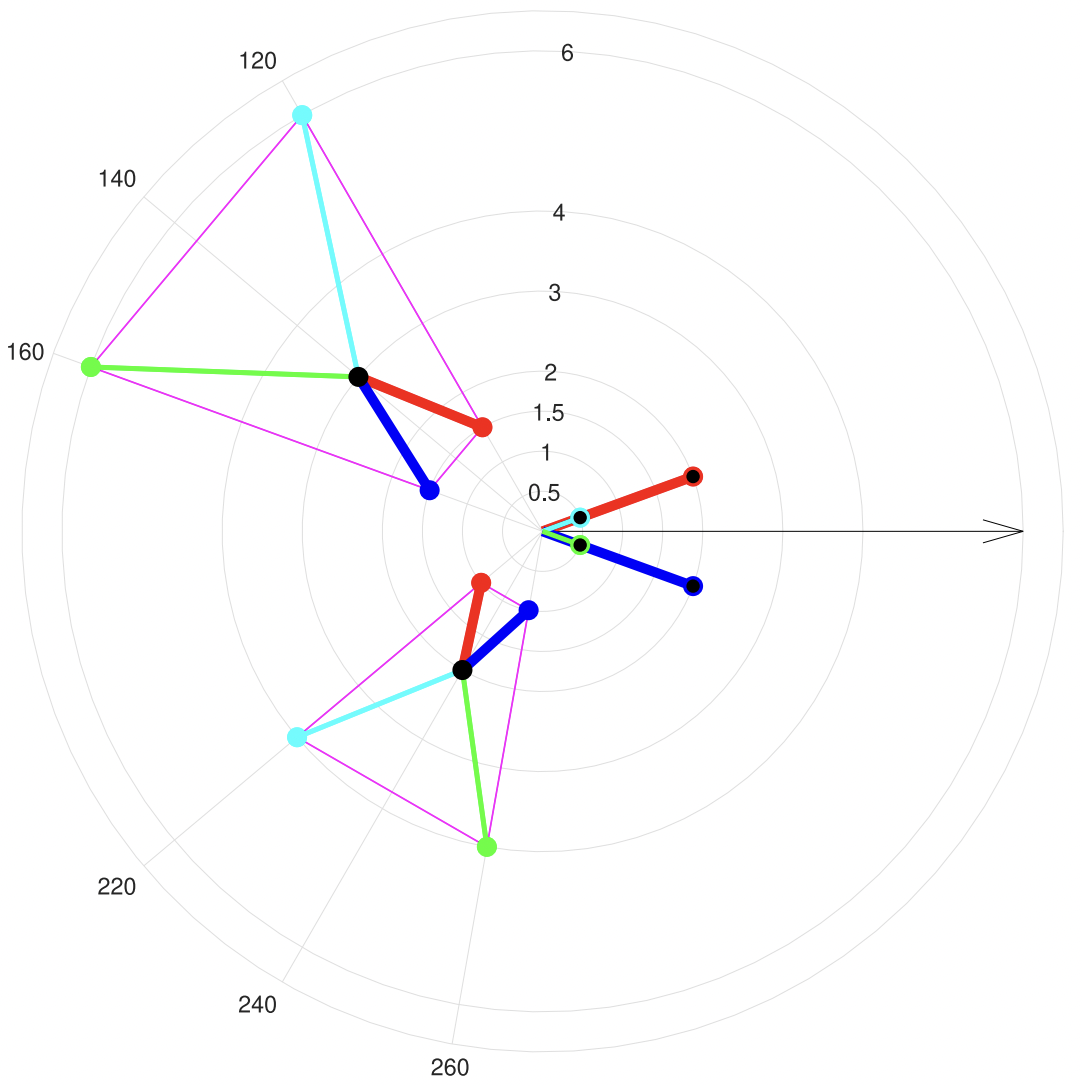
Co-domain symmetry for complex-valued deep learning

Utkarsh Singhal, Yifei Xing, Stella Yu

Computer Vision and Pattern Recognition (CVPR), 2022

We make complex-valued CNNs that are invariant to scale and phase-shifts of the input pixels, and apply it to SAR image classification.

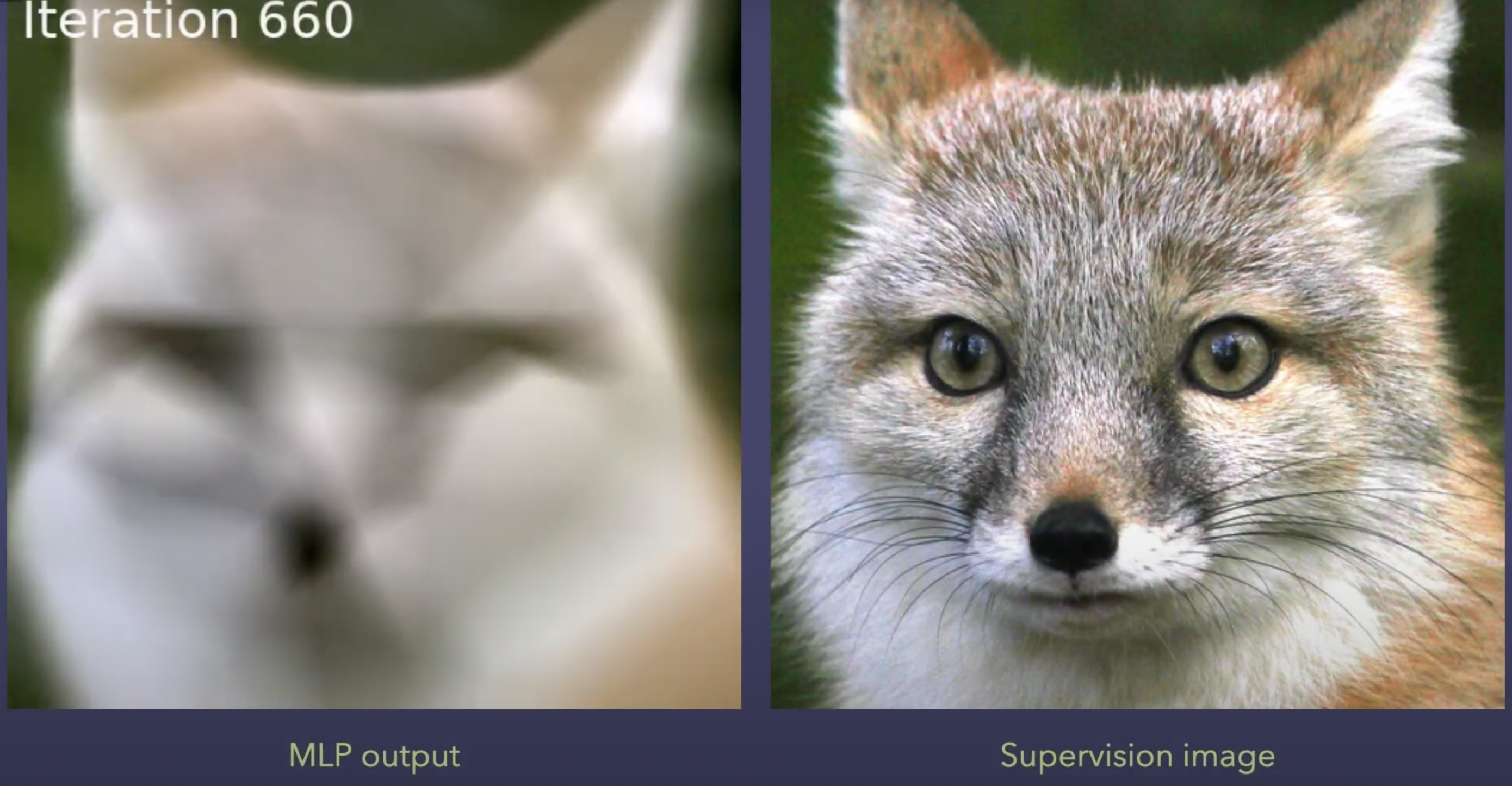
Fourier features let networks learn high frequency functions in low dimensional domains

Matthew Tancik, Pratul Srinivasan, Ben Mildenhall, Sara Fridovich-Keil, Nithin Raghavan, Utkarsh Singhal, Ravi Ramamoorthi, Jonathan Barron, Ren Ng

Spotlight, NeurIPS, 2021

We explain why neural networks fail to learn low-dimensional functions and how position encoding (fourier features) help.

LO represents motion and semantic categories in addition to object boundaries

Utkarsh Singhal, Jack Gallant, Mark Lescroart

Journal of Vision, 2019

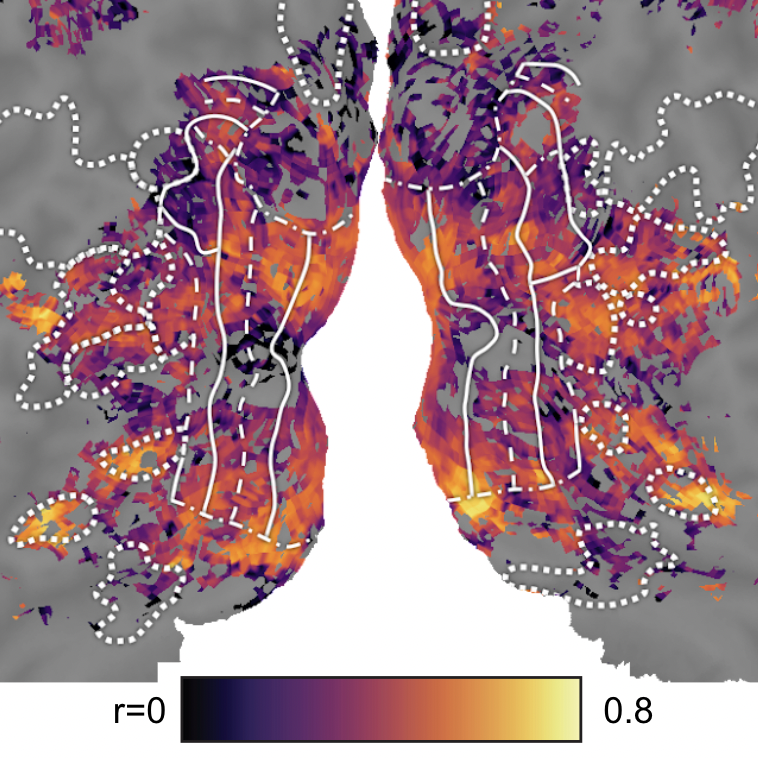
We studied how the Lateral Occipital cortex represents object boundaries using fMRI.